Your First P2P Trade: A Checklist and Step-by-Step Walkthrough of Buying and Selling USDT
Your first trade is not about profit — it is about going through the whole process yourself: preparing the account, choosing a reliable ad, buying USDT for local currency and selling it back. A step-by-step walkthrough and checklist for any country.

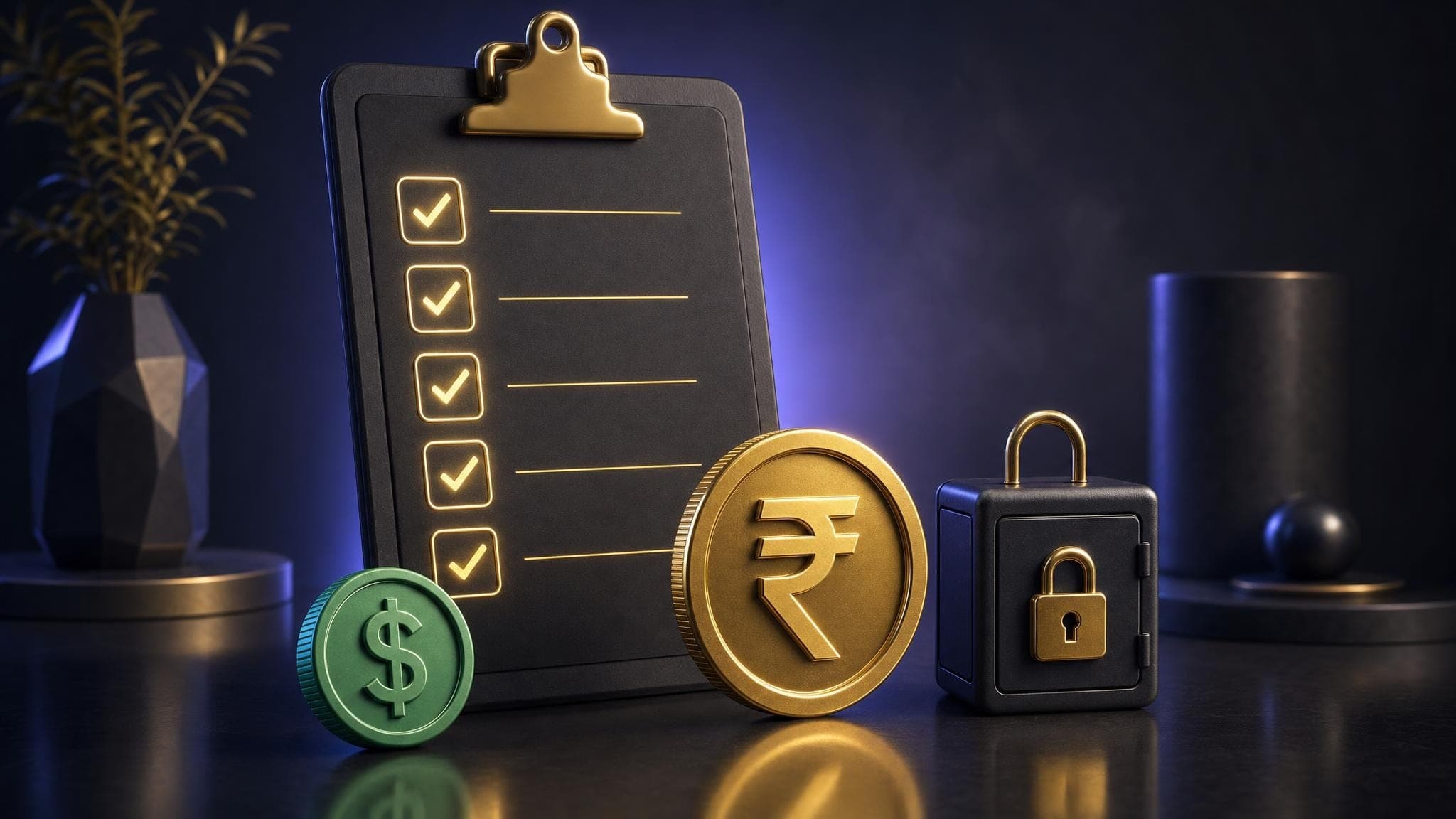
This lesson covers one complete trade: buying USDT for local currency and selling it back. The amount is small; the goal is to go through the process and make sure you understand every step before working with real turnover.
Preparation
| Item | Why |
|---|---|
| P2P crypto trading is legal in your country | Otherwise more than money is at risk (lesson 10) |
| The exchange operates legally in your country | Licensed or registered where required |
| KYC is complete | P2P is unavailable without it, and counterparties see your KYC name |
| Two-factor authentication (2FA) is on | Protection against account takeover and withdrawals |
| A payment method in your name is added | The name at your bank or wallet must match your KYC |
| A separate bank account for P2P | A freeze of this account will not touch your salary and savings (lesson 7) |
| You know your payment method’s limits | So the trade does not hit the daily limit |
Choosing an ad
Open the P2P.Army prices page for your currency — for example, Binance, INR, USDT — and check the best price for your method. Then on the exchange choose an ad where:
- the counterparty has 100+ orders and a 95%+ completion rate;
- the ad’s minimum limit is below your amount;
- your payment method is listed;
- the terms contain no requirements you are not ready to meet.
Buying USDT
- 1
Open an order
Enter the amount in local currency. The seller’s USDT is locked in escrow for the trade. - 2
Send the money
Only from your own account, only to the details in the order and exactly the stated amount. Do not pay to details sent outside the order, and never agree to pay a third party. - 3
Click “Paid”
Only after the actual transfer. Marking an order as paid falsely breaks exchange rules. - 4
Wait for USDT
The seller checks the payment and releases the coins. If they do not respond, open an appeal when the timer runs out.
Selling USDT
- 1
Choose a buyer
The same filters: trade history, completion rate, your payment method, a suitable limit. - 2
Wait for the credit
Check the money in your banking app — not a screenshot in chat and not an SMS. - 3
Match the payer’s name
The sender’s name must match the buyer’s KYC name on the exchange. If it does not — do not release the coins, open an appeal. - 4
Release USDT and save the record
Order number, chat, statement and transaction number go into a separate folder (lesson 7).
The result of your first trade
| Step | Price, ₹ | Amount, ₹ |
|---|---|---|
| Buy from a trusted seller | 104.99 | 2,099.80 |
| Sell to a trusted buyer | 103.93 | 2,078.60 |
| Result | −21.20 |
A taker on a single market pays the spread — that is normal. The first trade teaches the process; earnings begin when you find a cross-exchange setup or move to working as a maker (lesson 9).
Frequently asked questions
How much should I start with?
The minimum that fits the ad’s limits: for example, 20 USDT. The goal of the first trade is to learn the process, not to earn.
What if the seller does not release USDT after I paid?
Wait until the timer ends and open an appeal in the order, attaching the bank transfer confirmation. Do not cancel the order if you have already paid.
Can I release USDT if the buyer sent a payment screenshot?
No. Release the coins only after you see the credit in your banking app and have matched the payer’s name with the buyer’s KYC name.
Sources
- 1.P2P.Army: USDT/INR prices on Binance P2PP2P.Army10/30/2026official
- 2.P2P.Army: P2P order book builderP2P.Army10/30/2026
About the author

Crypto expert, arbitrage trader and investor
Crypto expert and hands-on crypto arbitrage trader, investor and software developer with over 20 years of experience. On the P2P.Army blog he covers exchange news, P2P and cross-exchange arbitrage.
- Crypto arbitrage
- P2P arbitrage
- Cross-exchange arbitrage
- Crypto exchanges
- Investing
- Software development