P2P Payment Methods: How to Evaluate Any Method — Speed, Reversibility, Limits, Risks
The payment method on P2P is not a detail: it determines price, speed, limits and risk. We look at the criteria for evaluating any method in any country, and at which methods lead in the 15 most active P2P currencies.

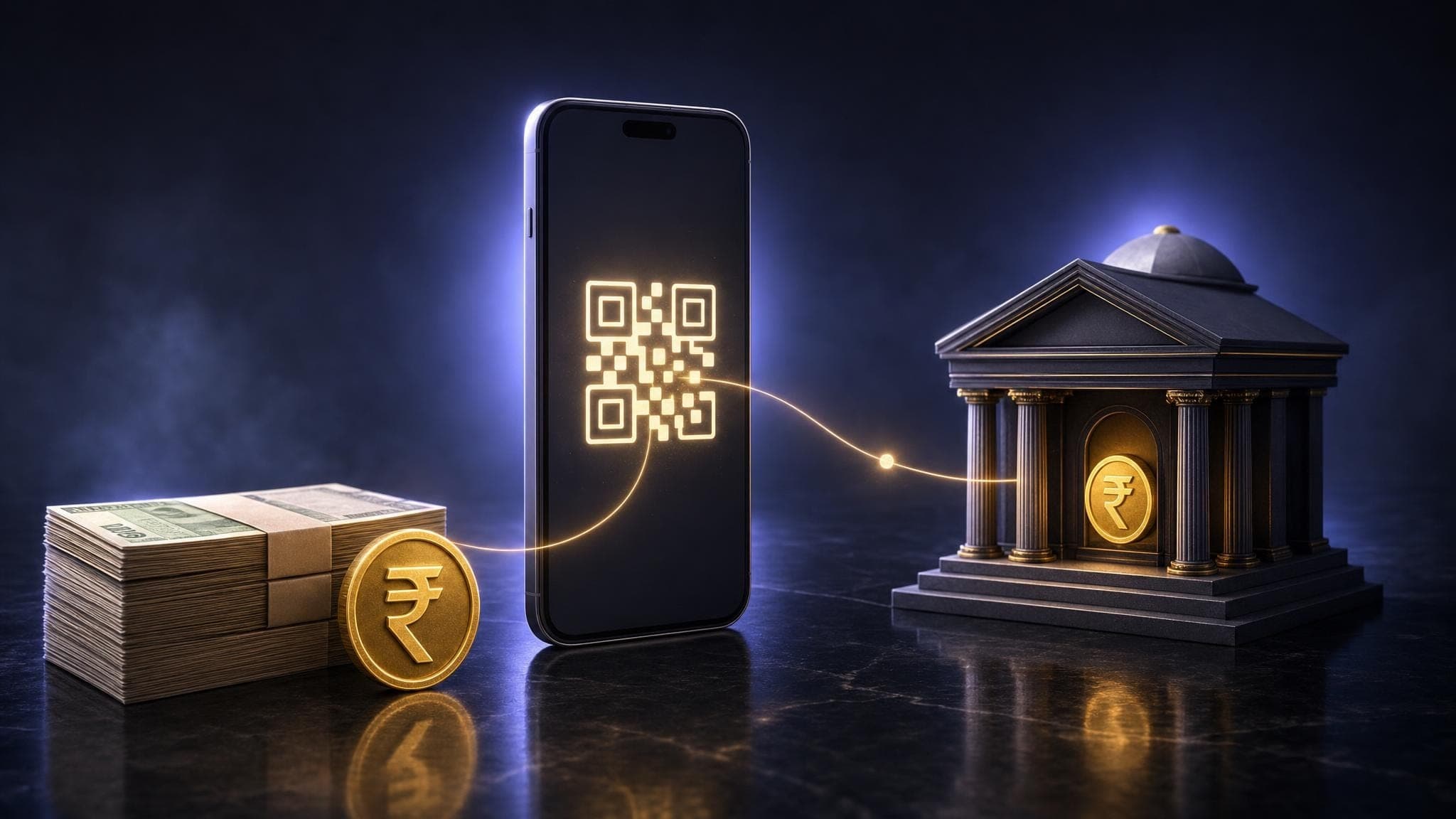
In a P2P ad the seller lists the payment methods they accept. For an arbitrageur the method is part of the setup: in the same market, prices for different methods differ noticeably, and each method has its own limits, speed and risks. Method names differ by country, but you can evaluate them by the same criteria.
How to evaluate a method: six criteria
| Criterion | Why it matters | What to check |
|---|---|---|
| Crediting speed | While the money travels, the price can move and the counterparty can open a dispute | Instant crediting or banking hours only |
| Reversibility | If the payment can be recalled, you risk losing both the money and the USDT | Whether the payment can be disputed via the bank, card or wallet |
| Limits | A daily limit caps trade size and turnover | Transfer and receiving limits at your bank or wallet |
| Fees | They eat part of the spread | Fees for sending and receiving |
| Payer’s name | A third-party payment is the main sign of fraud | Whether the sender’s name shows in the statement or notification |
| Freeze risk | Banks react differently to frequent payments from different people | How your bank treats crypto payments, whether merchants you know had freezes |
Types of methods
| Type | Examples | Reversibility | Comment |
|---|---|---|---|
| Instant payment systems | UPI (India), Pago Móvil (Venezuela), InstaPay (Egypt), Raast (Pakistan) | Usually irreversible, but a payment can be disputed via a fraud complaint | The most popular on P2P where available |
| Bank transfer | Transfers between local bank accounts | Irreversible, but the account can be frozen on request | Suitable for large amounts |
| E-wallets | bKash, M-PESA, GCash, Nequi, MoMo, Paytm | Depends on the operator | Often available without a bank account, with their own limits |
| Bank cards | Card transfers, card payments | Chargebacks are possible | Higher risk for the seller |
| Cash | Cash deposit, meeting in person | — | Risk of counterfeit notes and money of doubtful origin |
Popular methods by country
| Currency | Country | Popular methods |
|---|---|---|
| RUB | Russia | Bank Transfer, Mobile Top-up, Cash Deposit to Bank |
| PKR | Pakistan | Bank Transfer, Easypaisa, Meezan Bank |
| VES | Venezuela | Pago Móvil, Banesco, Banco de Venezuela |
| NGN | Nigeria | Bank Transfer, Opay, PalmPay |
| UAH | Ukraine | Monobank, PrivatBank, PUMB |
| IDR | Indonesia | Bank Transfer, SEA Bank, BCA |
| VND | Vietnam | Bank Transfer, MoMo, Bank Account |
| INR | India | UPI, IMPS, Bank Transfer |
| ARS | Argentina | Mercado Pago, Banco Brubank, Bank Transfer |
| COP | Colombia | Nequi, Bancolombia, BreBKeys |
| PHP | Philippines | GCash, Bank Transfer, GOTyme Bank |
| SAR | Saudi Arabia | Bank Transfer, Al Rajhi Bank, stc pay |
| BDT | Bangladesh | bKash, Nagad, Bank Transfer |
| EGP | Egypt | InstaPay, Vodafone Cash, Bank Transfer |
| KES | Kenya | M-PESA, Bank Transfer, M-pesa Paybill |
“Bank transfer” is a universal method almost everywhere, but local systems and wallets lead. Merchants work with them, and they have the most ads — which means faster fills and narrower spreads.
How the method affects price
Buyers and sellers assess each method’s risk differently, so prices diverge. For example, for the rupee on Binance on October 30, 2026 the maker spread was +1.94% for Google Pay, +1.03% for Paytm and +0.55% for PhonePe (lesson 3). For your currency, open the spreads page — for example, Binance USDT/INR — and pick yours.
How to check your country’s methods
Every P2P.Army currency page has a table of popular methods: the number of ads and Activity 24H for each method on each exchange. Below is the rupee example; choose your currency to see yours.
Your country
Payment methods, limits and risks differ by country. Pick yours: the guide shows live data on local methods and what to watch out for.
Choose your country — we will remember it for next time.
 IndiaINRP2P Arbitrage in India: Payment Methods, Taxes and Exchanges with INR
 VenezuelaVESP2P Arbitrage in Venezuela: Pago Móvil, the BCV–USDT Gap and Taxes
 PakistanPKRP2P Arbitrage in Pakistan: Payment Methods, Regulation and Exchanges with PKR
 BangladeshBDTCrypto P2P in Bangladesh: Legal Status, bKash and Nagad Rules, Risks
 NigeriaNGNP2P Arbitrage in Nigeria: Payment Methods, Taxes and Exchanges with NGN
 VietnamVNDP2P Crypto in Vietnam: The Pilot Market, 0.1% Tax and Account Freeze Risks
 UkraineUAHP2P Arbitrage in Ukraine: monobank, Transfer Limits and Crypto Taxes
 RussiaRUBP2P Arbitrage in Russia: The Crypto Law, Taxes and Card Blocks Under 161-FZ
 IndonesiaIDRP2P Crypto Arbitrage in Indonesia: OJK Rules, Taxes and the Risk of Blocked Bank Accounts
 Saudi ArabiaSARP2P Crypto Trading in Saudi Arabia: Legal Status, Transfers and Risks
 PhilippinesPHPP2P Crypto in the Philippines: GCash, Licensed Exchanges, Taxes and Risks
 ArgentinaARSP2P Arbitrage in Argentina: Crypto Dollar, Mercado Pago, PSAV and ARCA
 KenyaKESP2P Arbitrage in Kenya: M-PESA, Taxes and Exchanges with KES
 ColombiaCOPP2P Arbitrage in Colombia: Nequi, Bre-B, DIAN Taxes and Risks
 EgyptEGPP2P Crypto Trading in Egypt: Legal Status, InstaPay Limits and Risks
Frequently asked questions
Which payment method is best for P2P?
There is no universal answer. To start, use the most popular local method: it has the most ads and the fastest trades. For large amounts — bank transfer. Avoid methods where the payment can be recalled.
What is a chargeback and why is it dangerous?
A chargeback is recalling a payment through the bank or payment system. If a buyer paid for USDT by card and then disputed the payment, the money goes back to them while you have already released the USDT. That is why merchants avoid methods with chargebacks.
How do I find popular methods for my currency?
Open your currency’s page on P2P.Army: it has a methods table with the number of ads and Activity 24H for each exchange. The more ads a method has, the faster the trades and the narrower the spread.
Sources
- 1.P2P.Army: P2P statistics by currencyP2P.Army10/30/2026official
- 2.P2P.Army: USDT/INR spreads on Binance P2PP2P.Army10/30/2026
About the author

Crypto expert, arbitrage trader and investor
Crypto expert and hands-on crypto arbitrage trader, investor and software developer with over 20 years of experience. On the P2P.Army blog he covers exchange news, P2P and cross-exchange arbitrage.
- Crypto arbitrage
- P2P arbitrage
- Cross-exchange arbitrage
- Crypto exchanges
- Investing
- Software development