What P2P Arbitrage Is and How Traders Earn on It
P2P arbitrage means earning on the price difference of the same asset on P2P platforms. We look at how a trade works, where the price difference comes from and why it is mostly the maker, not the taker, who earns it.

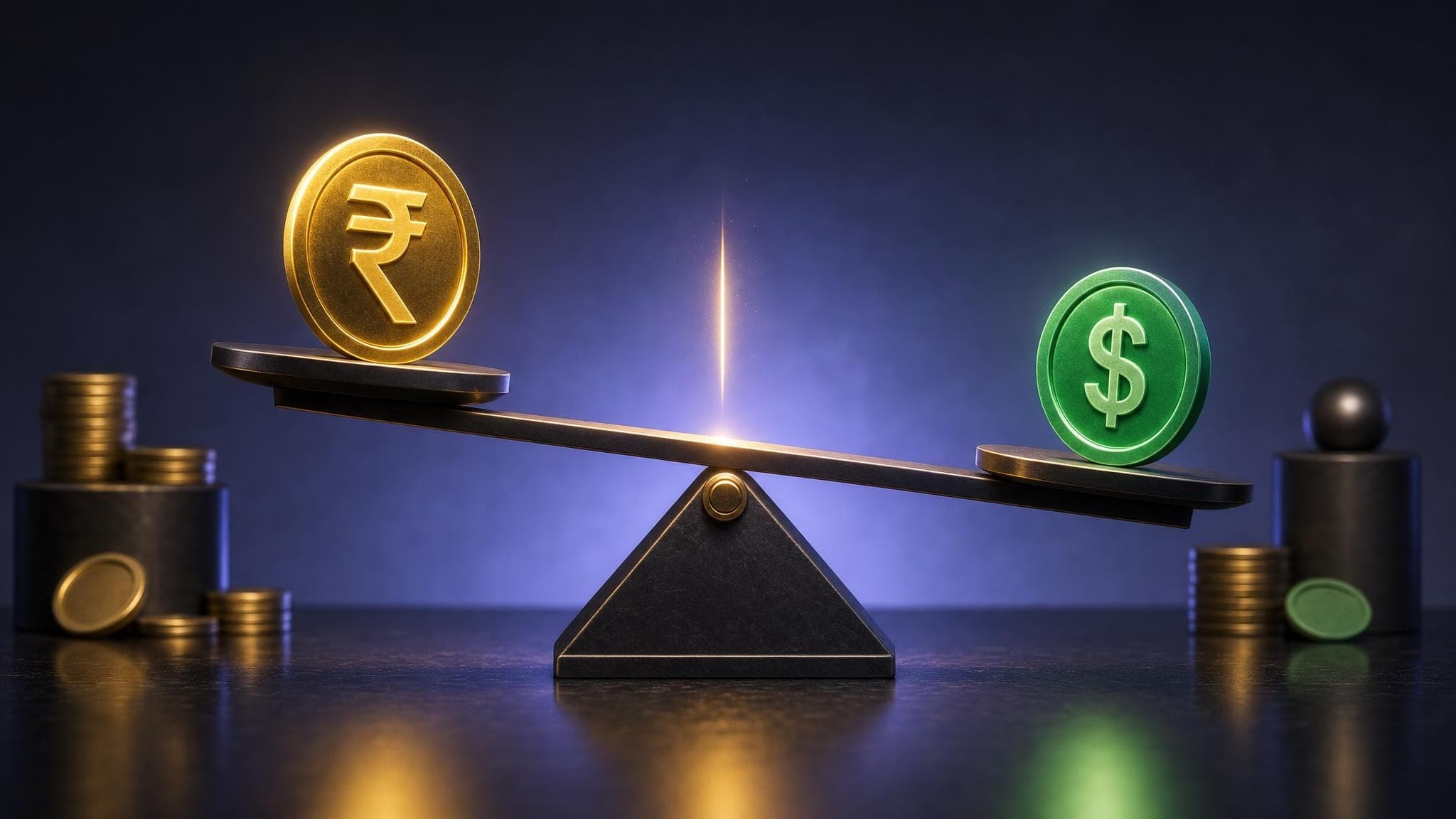
P2P (peer-to-peer) is the exchange of crypto for regular money directly between people. The exchange does not buy or sell itself: it matches the parties and acts as a guarantor. The seller’s crypto is locked on the exchange (escrow), the buyer sends money directly to the seller, and only after the payment is confirmed does the exchange release the coins to the buyer. P2P works this way in every country — only the currency and payment methods change.
How a P2P trade works
- 1
The seller posts an ad
Sets a USDT price in local currency, trade limits and payment methods — bank transfer, an instant payment system, an e-wallet. The coins are locked in escrow for the trade. - 2
The buyer opens an order and pays
Sends money from their own account to the seller using the chosen method and clicks “paid”. - 3
The seller checks the payment and releases USDT
The money must actually arrive in their account — not a screenshot, but a real credit — and from the same person who passed KYC on the exchange. - 4
The trade closes
The exchange moves the USDT to the buyer and both sides leave feedback. Disputes go to an appeal.
Where the spread comes from
Every asset on P2P always has two prices. Some ads are posted by those who sell USDT — at their price you buy. Others by those who buy USDT — at their price you sell. The difference is the spread. It exists because platforms, payment methods, limits and counterparty trust differ, and participants charge for risk and costs. What the spread is made of is covered in lesson 3.
| Exchange | Buy USDT (BUY section) | Sell USDT (SELL section) |
|---|---|---|
| Binance | 104.59 | 104.01 |
| Bybit | 103.17 | 105.71 |
| Gate | 105.75 | 103.48 |
| HTX | 107.25 | 104.87 |
| Bitget | 107.29 | 102.63 |
| BingX | 105.62 | 102.46 |
| KuCoin | 110.82 | 100.72 |
| OKX | — | 98.57 |
Taker and maker: who earns
| Taker | Maker | |
|---|---|---|
| What they do | Respond to other people’s ads | Post their own buy and sell ads |
| Price | Buys at sellers’ prices, sells at buyers’ prices | Sets the price — inside the spread |
| Speed | Instant trade | Waits for someone to respond |
| Typical result | Pays the spread | Earns the spread |
A rupee example (Binance, UPI, counterparties with 100+ orders and a 95%+ completion rate, snapshot of October 30, 2026): a taker would buy USDT at ₹104.99 and sell at ₹103.93 — minus 1.01% per round. A maker posting a buy ad at ₹103.94 and a sell ad at ₹104.98 would get about +1.00% before fees and taxes. In another currency the numbers differ, but the logic is the same.
Frequently asked questions
What is P2P arbitrage in simple words?
Buying crypto for local currency at one price and selling it at a higher price on the same or another P2P platform. The earnings are the price difference minus fees and taxes.
Is P2P arbitrage legal?
It depends on the country: in some, crypto trading is allowed and taxed; in others it is restricted or banned. What to check in your country is covered in lesson 10 and the country guides. This is educational material, not legal advice.
How much can you earn on P2P arbitrage?
There is no guaranteed number. The result depends on the spread, capital, number of completed trades, fees and taxes in your country. In the rupee example the maker spread was about 1% before fees — but it is not guaranteed and changes during the day.
Sources
- 1.P2P.Army: P2P statistics by currencyP2P.Army10/30/2026official
- 2.P2P.Army: INR statistics on P2P exchangesP2P.Army10/30/2026
About the author

Crypto expert, arbitrage trader and investor
Crypto expert and hands-on crypto arbitrage trader, investor and software developer with over 20 years of experience. On the P2P.Army blog he covers exchange news, P2P and cross-exchange arbitrage.
- Crypto arbitrage
- P2P arbitrage
- Cross-exchange arbitrage
- Crypto exchanges
- Investing
- Software development